
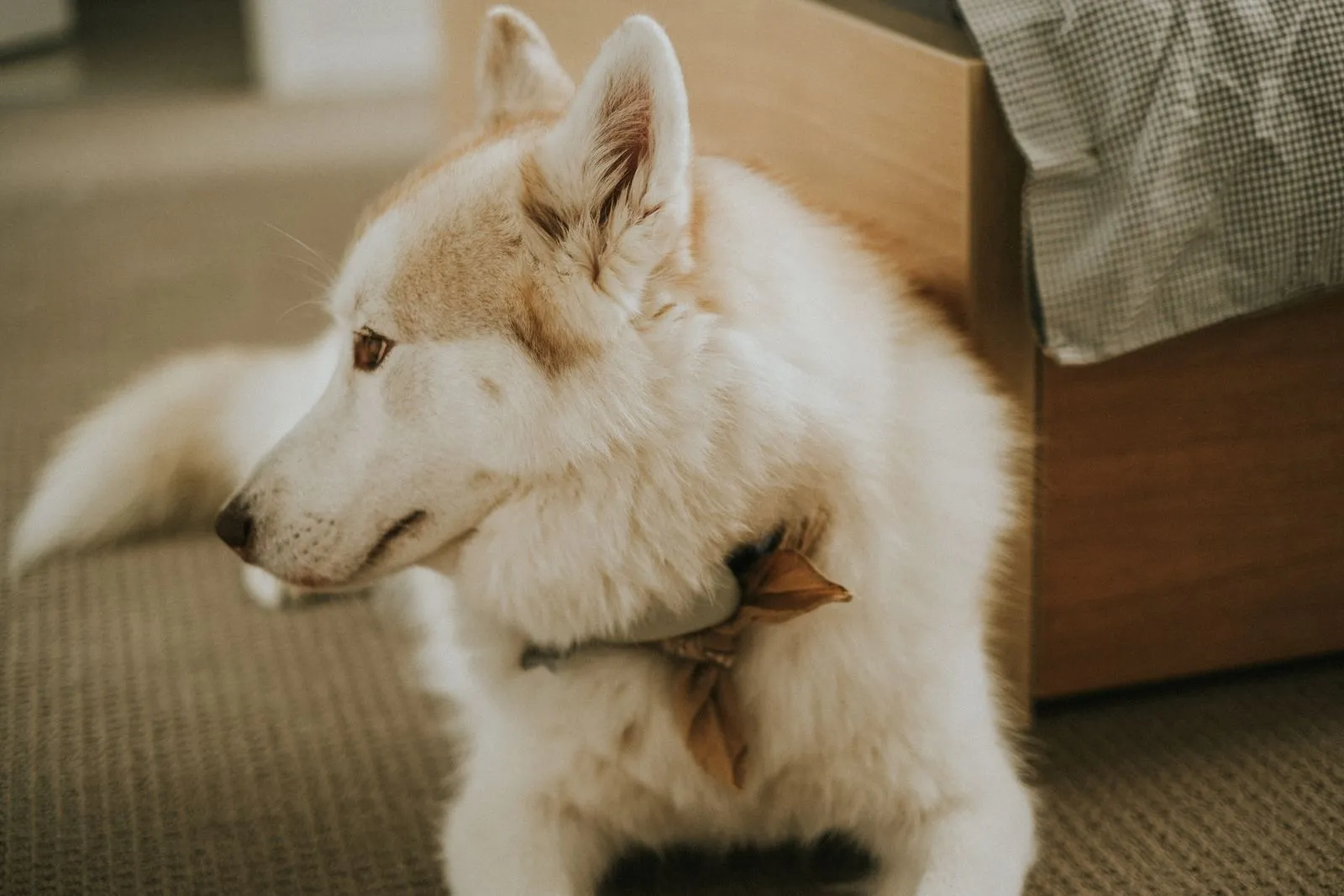
A carpet can look clean and still smell like a pet accident. That’s because liquid may travel through the fibers and into the backing or padding, where a quick surface cleaning cannot reach it. As the area dries, warms up, or becomes humid, odor can become noticeable again. Understanding where the residue goes helps explain why the smell returns—and what a more complete treatment needs to include.
How Odor Gets Below the Surface
When a pet has an accident, the liquid can spread beyond the visible spot. It may soak through carpet fibers, reach the backing, and seep into the pad or even the subfloor. The size of the affected area can be larger than the stain suggests, especially if the spot was blotted or cleaned before it fully dried.
Cleaning only the carpet’s surface may remove visible discoloration without reaching the residue underneath. Remaining material can continue to produce odor. Moisture and warmth may make that smell easier to notice, so a spot that seemed resolved can become noticeable again later.
Why Some Cleaning Falls Short
A fragranced cleaner can temporarily cover an odor without removing its source. Some household products also leave residue that attracts dirt or makes the area feel different from the surrounding carpet. Scrubbing hard can push contamination deeper or damage carpet fibers, so gentle blotting is a safer first step for a fresh accident.
Repeatedly applying water without extracting it can leave the carpet and pad damp for too long. That may prolong the problem and create conditions for additional odors. Follow product instructions, avoid mixing cleaners, and test any product in an inconspicuous spot before using it on a visible area.
What Thorough Treatment Involves
A careful treatment starts by identifying the affected area, including any spread beyond the visible stain. The carpet type and the likely depth of the contamination help guide the approach. A technician may use inspection tools to locate affected spots, but the treatment plan should also account for what may have reached the backing, padding, or floor beneath.
Treatment generally involves applying an appropriate solution to the affected area, allowing it time to work, and extracting loosened residue and moisture. If contamination has reached the pad or subfloor, surface treatment alone may not be enough; additional steps or replacement of affected material may be needed. Proper drying is part of the process, not an optional finishing touch.
How to Check the Result
After treatment, let the area dry fully before judging the result. Avoid covering it with furniture or rugs while it is damp, and keep pets away until the carpet is dry and any product directions allow access. If a smell remains after drying, the residue may extend beyond the treated area or deeper into the flooring.
Keep track of where and when the odor returns, and share that information with a cleaning professional. Mention earlier products or cleaning attempts, since they can affect the next treatment. For recurring or widespread odor, ask what materials will be treated and how the provider will address residue below the carpet surface.
When pet odors return, the source may be beneath the carpet fibers rather than on top. Effective treatment needs to reach the affected layers, remove residue, and allow the area to dry fully. If the smell persists, a professional assessment can help determine how far the contamination has spread and what steps make sense next.